
Are College Students More or Less Independent From Their Parents?

Young adulthood is considered a limbo between dependence and independence. This is even more true for college students, who may make their own rules and schedules but heavily rely on their parents for financial support and advice regarding many adult roles and responsibilities. This shift in their relationship with their parents as people who enforce…
Read MoreTransitional Living Programs vs Gap Year Program for Young Adults

While young adulthood is considered a period of identity exploration and relationship building, many young adults feel rushed to make big life decisions and commit to a career path right out of high school. Even if they haven’t taken time to figure out what their personal goals are and what makes them feel confident, they…
Read MoreRecreation Activities Teach Help Young Adults Build Positive Relationships
Integration into the community is a vital component of transition planning for individuals leaving residential treatment. Transition programs help young adults get involved in the community by developing a resume of work experiences, meeting role models in the community, and exploring new hobbies. Recreation activities help young adults develop a positive self-concept through meaningful experiences…
Read MoreParent Divorce Associated with Academic Struggles in College Students

Research shows that parent divorce can have an effect on a child’s academic performance, regardless of their age. Younger children may have trouble concentrating in class and display “unexplained” emotional outbursts. Teenagers may struggle to complete assignments, especially if their parents have shared custody, homework monitoring is inconsistent, or access to school supplies depends on…
Read MoreTeen Depression vs Young Adult Depression
While the core symptoms of depression remain similar across one’s lifetime, teens experience depression differently than young adults might. This is related to different responsibilities, and concepts about the future. Young adults have often developed a greater emotional vocabulary, which can make it easier for them to identify signs that they might be depressed, but…
Read MoreGetting out of a Failure Mindset in Young Adulthood
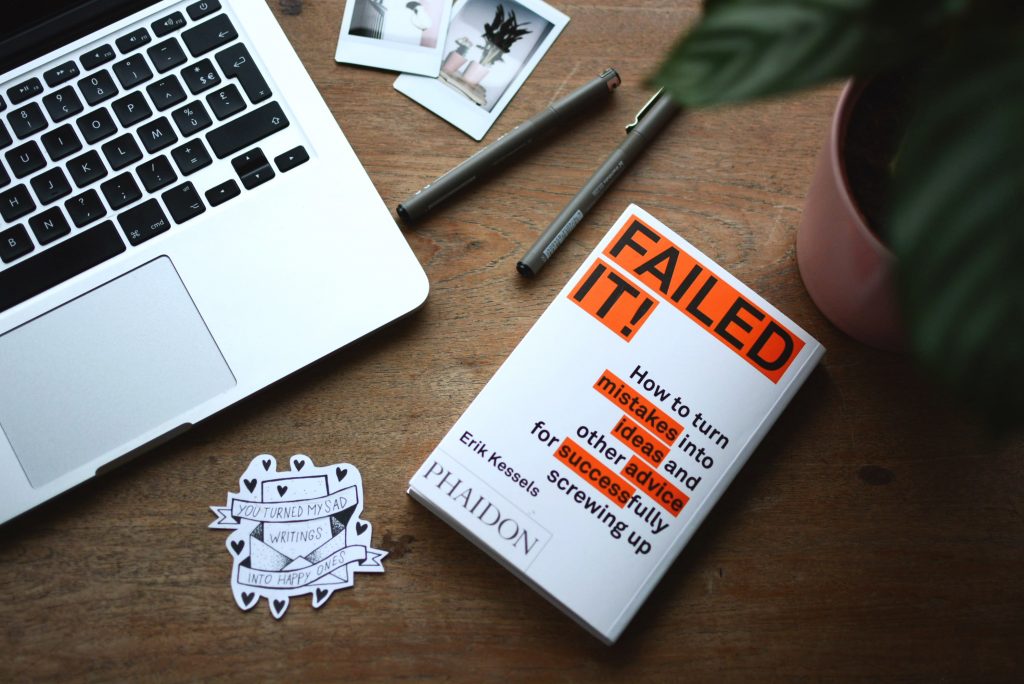
Research suggests that the way people view failure is a better predictor of their ability to make changes in their lives than the way they view success. According to Stanford University researchers, parents’ failure mindsets are often more visible to children than their growth mindsets, and therefore, are more prominent in shaping their beliefs about…
Read MoreInternet Addiction Affects Study Skills in Young Adults

One of the biggest consequences of internet addiction can be the toll it takes on academic performance. Especially as technology is becoming integrated into classrooms, it can be hard to separate time spent online studying and time spent scrolling. While staying up late to play video games or snapchatting friends during class may have been…
Read MoreHow to Deal with Failure to Launch in Young Adults

Recent research suggests that teens no longer go straight into adulthood when they graduate from high school, but rather enter a transitional period known as emerging adulthood, where they are given the responsibilities of adults without having developed the skills to thrive independently. It is becoming more common for young adults to delay milestones, changing…
Read MoreAwareness of Obstacles in Recovery Helps with Goal Setting

People who make plans to avoid or handle temptations may be more likely to achieve goals, according to new research by the University of Wyoming. Part of goal setting is anticipating barriers and coming up with effective strategies to manage conflict as it arises. Many young adults who have experienced a failure to launch in…
Read MoreSeasonal Affective Disorder Can Throw Off Progress After Residential Treatment

One of the challenges of Seasonal Affective Disorder (SAD) is that it is difficult to avoid the inevitable changes in season that trigger its symptoms. Over 10 million Americans struggle with symptoms of Seasonal Affective Disorder, even in areas with milder winters. As symptoms coincide with shorter days and colder temperatures that lead to a…
Read More